Finasteride side effects affect approximately 2-4% of men taking the 1mg dose for hair loss, according to clinical trial data reviewed by the NHS. The most commonly reported effects are reduced sex drive, erectile difficulty, and changes in ejaculate volume — and most resolve after stopping treatment. Here’s what the evidence actually shows.
What the NHS and MHRA Say About Finasteride Side Effects
The NHS lists finasteride side effects in categories based on frequency. Finasteride is not an unregulated supplement — it’s a prescription medication that has undergone rigorous clinical evaluation and ongoing safety monitoring by UK regulators.
Common side effects (affecting fewer than 1 in 100 men at the 1mg dose):
- Reduced libido (sex drive)
- Difficulty getting or maintaining an erection
- Decreased volume of ejaculate
- Breast tenderness or swelling
Rare side effects (affecting fewer than 1 in 1,000):
- Skin rash
- Testicular pain
- Heart palpitations
In 2024, the MHRA issued updated guidance asking men on finasteride to stay vigilant for mood changes, anxiety, and depressive symptoms. This advisory is not a recall or a safety withdrawal. It’s a precautionary update based on adverse event reports, which the MHRA routinely issues for many commonly prescribed medications.
The MHRA specifically noted that the benefits of finasteride continue to outweigh risks for most men, but recommended that prescribers discuss mental health history before initiating treatment.
How Common Are Finasteride Side Effects Really?
The gap between perceived risk and actual risk with finasteride is unusually wide. Online forums amplify negative experiences, while the clinical data tells a more measured story.
According to the landmark Prostate Cancer Prevention Trial, which tracked over 18,000 men, sexual side effects occurred in approximately 3.4% more men taking finasteride than those on placebo. That means roughly 96-97% of men experienced no sexual side effects at the 5mg dose — and the 1mg hair loss dose shows even lower rates.
| Side Effect | Finasteride 1mg (Hair Loss) | Placebo | Difference |
| Decreased libido | 1.8% | 1.3% | +0.5% |
| Erectile dysfunction | 1.3% | 0.7% | +0.6% |
| Ejaculation disorder | 1.2% | 0.7% | +0.5% |
| Any sexual side effect | 3.8% | 2.1% | +1.7% |
These numbers mean something specific. The “difference” column shows the additional risk attributable to finasteride beyond what men experience anyway. An extra 1.7% of men — roughly 1 in 59 — experience a sexual side effect that they wouldn’t have had without the medication.
It’s also worth noting that sexual side effects are common in adult men regardless of medication. According to NHS data on erectile dysfunction, ED affects approximately 1 in 5 UK men at some point, making baseline rates significant when interpreting trial data.
The Nocebo Effect: When Expectations Create Side Effects
The nocebo effect is not a dismissal of real symptoms. It’s a documented phenomenon where negative expectations increase the likelihood of experiencing adverse effects — and it’s been specifically studied in the context of finasteride.
A widely cited study published in the Journal of Sexual Medicine found that men who were informed about possible sexual side effects before starting finasteride were significantly more likely to report them than men who weren’t given this specific warning. The medication was identical; only the information provided differed.
This doesn’t mean finasteride side effects aren’t real. It means the true drug-attributable rate is likely lower than what patient reports suggest, because anxiety about side effects can itself cause the symptoms men are worried about.
What this means practically: If you’re considering finasteride for hair loss, understanding the actual statistical risk — rather than the amplified perception from online communities — helps you make a more informed decision. The clinical data consistently shows that the vast majority of men tolerate finasteride without issues.
Oral vs Topical Finasteride: Does the Delivery Method Affect Side Effects?
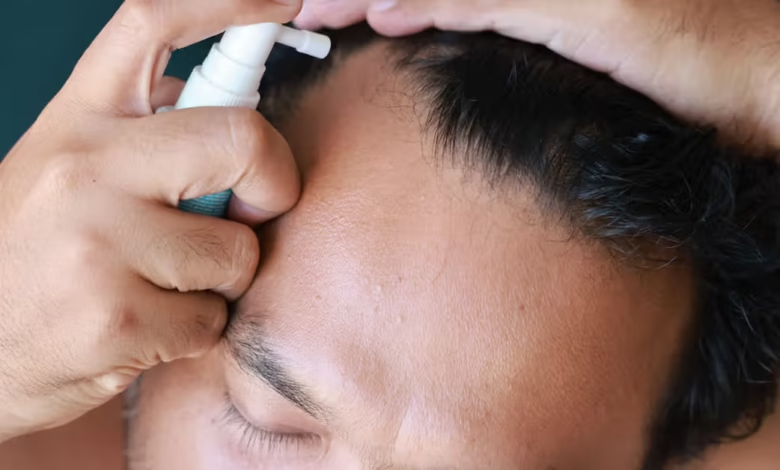
One of the more significant developments in finasteride treatment is the rise of topical formulations. The logic is straightforward: applying finasteride directly to the scalp should reduce the amount entering the bloodstream, potentially lowering the risk of systemic side effects.
Early clinical evidence supports this theory. A 2022 study in the Journal of the American Academy of Dermatology found that topical finasteride reduced scalp DHT levels by a comparable amount to oral finasteride while producing significantly lower serum DHT suppression — meaning less of the drug reached the rest of the body.
| Factor | Oral Finasteride (1mg) | Topical Finasteride |
| Serum DHT reduction | ~70% | ~30-40% |
| Scalp DHT reduction | ~40-60% | ~40-50% |
| Reported sexual side effects | 2-4% | Lower (limited long-term data) |
| Convenience | One daily tablet | Daily scalp application |
| UK availability | Widely prescribed | Growing availability |
| Cost (typical UK monthly) | £15-£30 | £25-£45 |
Topical finasteride is not a guaranteed side-effect-free alternative. Some systemic absorption still occurs, and long-term safety data for topical formulations is more limited than for oral. However, for men who are concerned about systemic side effects, topical finasteride and minoxidil combination sprays offer a route worth discussing with a prescriber.
When to Talk to Your Doctor About Finasteride Side Effects
Not every change you notice after starting finasteride is a side effect. Correlation and causation are genuinely difficult to separate with a medication taken daily over months and years. Stress, sleep quality, alcohol intake, relationship changes, and aging all affect the same symptoms that finasteride side effects mimic.
That said, you should speak to your prescribing doctor if you experience:
- Persistent sexual symptoms lasting more than 4 weeks that are new since starting treatment
- Mood changes including new or worsening anxiety, depression, or persistent low mood
- Breast tissue changes beyond mild tenderness — particularly any lump or discharge
- Allergic reactions including rash, swelling, or breathing difficulty (very rare but seek immediate help)
Your doctor can help determine whether symptoms are medication-related or have another cause, and discuss options including dose adjustment, switching to topical treatment, or taking a temporary break to assess whether symptoms resolve.
Stopping finasteride abruptly is not dangerous, but hair loss will resume within 3-6 months of discontinuation as DHT levels return to normal. If you stop due to side effects, most men find symptoms resolve within 1-4 weeks.
Frequently Asked Questions
What are the most common side effects of finasteride?
The most common side effects are reduced libido, erectile difficulty, and decreased ejaculate volume. According to the NHS, these affect fewer than 1 in 100 men taking the 1mg hair loss dose. These side effects are not inevitable — clinical trials show over 96% of men at the 1mg dose report no sexual side effects attributable to the medication.
Are finasteride side effects permanent?
For the vast majority of men, finasteride side effects are reversible and resolve after stopping the medication. The MHRA has noted rare reports of persistent sexual side effects after discontinuation, though establishing direct causation has been difficult. “Post-finasteride syndrome” is not currently recognised as a distinct medical condition by UK regulatory bodies, though research into persistent symptoms continues.
Is 1mg finasteride safer than 5mg?
The 1mg dose prescribed for hair loss carries a lower incidence of side effects than the 5mg dose used for BPH. Clinical trials show side effect rates of 2-4% at 1mg versus 5-8% at 5mg. The 1mg dose blocks approximately 70% of DHT compared to over 90% at 5mg — still sufficient for treating pattern hair loss.
Can you reduce finasteride side effects?
Some men reduce side effects by switching from oral to topical finasteride, which delivers the drug to the scalp with lower systemic absorption. Others work with their doctor to adjust dosing frequency. Maintaining regular exercise, healthy diet, and adequate sleep supports overall hormonal balance. Reducing the dose without medical guidance is not recommended — it may reduce efficacy without meaningfully lowering side effect risk.
How long do finasteride side effects take to appear?
Side effects typically appear within the first 3-6 months. In clinical trials, most men who experienced side effects noticed them within year one. If you haven’t experienced side effects after 12 months, you’re unlikely to develop them later. Early side effects are not a reliable predictor of long-term problems — some men report initial effects that resolve within 2-4 weeks as the body adjusts.