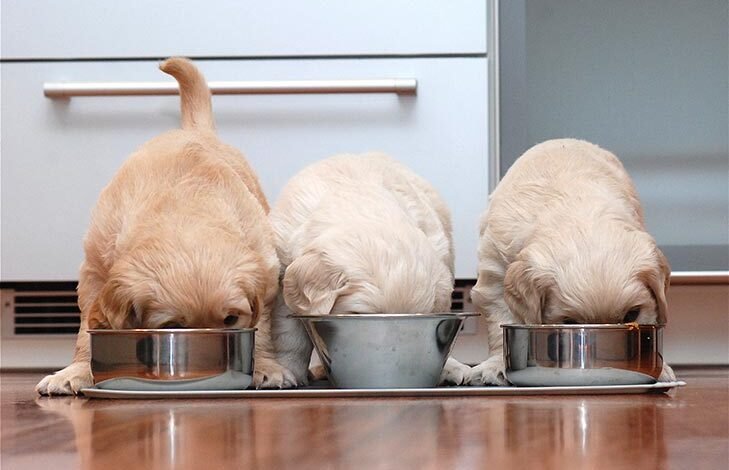
Giant breed puppy nutrition requires a completely different approach from feeding smaller dogs. Great Danes, Mastiffs, Irish Wolfhounds, and other giant breeds face unique developmental challenges that smaller puppies do not encounter. The right nutrition prevents lifelong skeletal problems, while the wrong approach can cause permanent damage.
Understanding Giant Breed Growth Timelines
Giant breed puppies grow differently from other dogs. According to the Purina Institute, large and giant breed puppies can take up to two years to reach their adult weight, meaning they could be on puppy food for up to two years. The period of most rapid growth occurs between 3 and 6 months of age.
This extended growth period creates specific nutritional vulnerabilities. Puppies up to 4 months of age require around twice the amount of energy per unit of body weight as an adult dog of the same breed. However, providing too many calories during rapid growth phases leads to skeletal development issues that cannot be reversed.
Giant breeds are not simply scaled-up versions of medium breeds. A Great Dane puppy might weigh 2-3 pounds at birth but reach 100-180 pounds as an adult. This dramatic transformation requires carefully controlled nutrition to support healthy development without accelerating growth beyond what the skeletal system can handle.
The Rapid Growth Problem
Growing too quickly stresses developing bones and joints, resulting in skeletal malformations. According to VCA Animal Hospitals, there are two major nutritional risk factors for developmental orthopedic disease: rapid growth and excess calcium intake, with rapid growth caused by excessive calories being the most prevalent.
Developmental orthopedic disease encompasses several conditions including hip dysplasia, osteochondritis dissecans, and panosteitis. These conditions develop when cartilage and bone tissue cannot keep pace with rapid body weight increases. The damage often becomes apparent only after the puppy reaches adolescence or adulthood.
Rapid growth is more dangerous than slow growth for giant breeds. A puppy that reaches adult weight at 18 months typically develops healthier joints than one that reaches the same weight at 12 months. Controlled growth rates give skeletal structures time to mineralise and strengthen properly.
| Growth Phase | Age Range | Primary Concern | Feeding Strategy |
| Early Puppyhood | 0-4 months | Meeting high energy needs | Measured portions 3-4 times daily |
| Rapid Growth | 3-6 months | Preventing excessive calorie intake | Controlled portions based on body condition |
| Continued Growth | 6-18 months | Maintaining steady growth rate | Gradual portion increases with weight monitoring |
| Final Maturation | 18-24 months | Transition timing | Evaluate skeletal maturity before switching to adult food |
Calorie Control Strategies
Free-choice feeding is not recommended for giant breed puppies. Portion-controlled feeding prevents the excessive calorie consumption that drives rapid growth. Your veterinarian might recommend using a growth curve to track your puppy’s growth, which is like growth charts used by human pediatricians and involves weighing your puppy regularly at vet appointments or at home, according to Today’s Veterinary Nurse.
Body condition scoring provides more useful information than simply tracking weight. A giant breed puppy should maintain a lean body condition throughout growth, with ribs easily felt under a thin layer of fat. Visible rib definition is not concerning in growing puppies, whilst excess body fat indicates overfeeding.
Feeding frequency matters for giant breeds. Younger puppies benefit from 3-4 smaller meals daily rather than one or two large meals. This approach provides steady energy availability without overwhelming the digestive system or creating large post-meal glucose spikes that can promote rapid growth.
The Calcium Question
Giant breed puppies do not need calcium supplementation. According to VetFolio, excess calcium intake ranks alongside rapid growth as a major risk factor for developmental orthopedic disease. Well-formulated large breed puppy foods contain appropriate calcium levels without additional supplementation.
Calcium excess forces premature closure of growth plates and creates imbalances in skeletal development. The damage is not immediately visible but becomes apparent as the dog matures. Hip dysplasia, elbow dysplasia, and osteochondrosis all show increased incidence in puppies given calcium supplements or fed adult dog food with higher calcium concentrations.
For giant breed puppies, you want to find a food formulated for growth of puppies including large dogs (more than 70lbs adult weight). These formulations contain controlled calcium levels specifically designed to support healthy skeletal development without promoting excessive bone mineralisation.
Choosing Appropriate Nutrition
Large and giant breed puppy formulas differ significantly from standard puppy foods. They contain lower calcium concentrations, reduced calorie density, and adjusted mineral ratios that support controlled growth rates. According to the WALTHAM Petcare Science Institute, monitoring against breed-specific growth charts helps ensure puppies develop at appropriate rates.
Novel protein sources offer advantages for giant breeds prone to food sensitivities. Plant-based puppy foods provide complete nutrition whilst eliminating common allergens like chicken, beef, and dairy that can trigger digestive issues during the sensitive growth period. Modern formulations meet or exceed FEDIAF puppy standards with appropriate protein, fat, and mineral levels for large breed development.
Protein requirements for giant breeds are substantial but not extreme. A minimum of 22-25% crude protein supports muscle development without promoting excessive growth rates. Fat content should remain moderate, typically 10-14%, providing energy whilst preventing the excessive calorie intake that drives rapid growth.
| Nutrient | Standard Puppy Food | Large/Giant Breed Formula | Why the Difference Matters |
| Calcium | 1.0-1.8% | 0.7-1.2% | Lower levels prevent premature bone development |
| Phosphorus | 0.8-1.6% | 0.6-1.0% | Balanced with calcium for proper skeletal formation |
| Calorie Density | High | Moderate | Reduced density prevents excessive calorie consumption |
| Protein | 28-30% | 23-28% | Adequate for growth without excess that converts to calories |
Monitoring and Adjustment
Regular veterinary check-ups during the growth period allow for early detection of developmental issues. Body condition assessment is more important than hitting target weights on a schedule. A slightly underweight giant breed puppy with excellent body condition will develop better long-term joint health than an overweight puppy, even if the heavier puppy matches breed standard growth charts.
Weight tracking should occur monthly during the rapid growth phase (3-6 months) and every 6-8 weeks thereafter until skeletal maturity. Sudden weight increases between measurements indicate excessive calorie intake requiring portion reduction. Steady, gradual increases suggest appropriate growth rates.
Physical activity also influences skeletal development. Excessive exercise, particularly high-impact activities like jumping or running on hard surfaces, can damage developing joints. Moderate, low-impact exercise like swimming or controlled walking supports muscle development without stressing growing bones.
Transitioning to Adult Nutrition
The transition from puppy to adult food for giant breeds differs from smaller dogs. Whilst medium breeds might transition at 12 months, giant breeds often require puppy formulations until 18-24 months of age. Skeletal maturity, not age alone, should determine transition timing.
Signs of skeletal maturity include growth plate closure visible on radiographs and weight stabilisation over several months. Your veterinarian can assess these factors to determine optimal transition timing. Premature switching to adult food may deprive still-growing puppies of essential nutrients, whilst delayed transition provides unnecessary calories to skeletal mature dogs.
The transition itself should occur gradually over 7-10 days, mixing increasing proportions of adult food with decreasing amounts of puppy food. This prevents digestive upset whilst allowing the puppy to adjust to different nutrient ratios. Omni’s nutritionally complete formulations support dogs through all life stages with appropriate feeding amounts adjusted for age and activity level.
Conclusion
Giant breed puppy nutrition centres on controlled growth rather than maximum growth. The evidence from veterinary research consistently shows that lean, slow-growing giant breed puppies develop better joint health than rapidly-growing counterparts. Appropriate nutrition during the critical first two years establishes the foundation for a healthy, active adult life free from preventable skeletal disorders.
Frequently Asked Questions
How long should giant breed puppies stay on puppy food?
Giant breed puppies can take up to two years to reach their adult weight, meaning they could remain on puppy food for up to two years. The period of most rapid growth occurs between 3 and 6 months of age, during which nutritional management is most critical for preventing developmental orthopedic disease.
What is the biggest nutritional risk for giant breed puppies?
The two major nutritional risk factors for developmental orthopedic disease are rapid growth and excess calcium intake. Rapid growth caused by excessive calories is the most prevalent concern. Growing too quickly stresses developing bones and joints, resulting in skeletal malformations that can affect dogs throughout their lives.
Should I limit my giant breed puppy’s food intake?
You should feed measured portions rather than free-feeding giant breed puppies. Free-choice feeding is not recommended as it often leads to excessive calorie intake and rapid growth. Controlled portions based on body condition scoring help maintain steady, healthy growth rates that protect developing skeletal systems.
Do giant breed puppies need more calcium than other puppies?
Giant breed puppies do not need extra calcium supplementation. In fact, excess calcium intake is a major risk factor for developmental orthopedic disease. Puppy foods formulated for large and giant breeds contain appropriate calcium levels. Additional supplementation can cause more harm than good by promoting too-rapid bone development.
How often should I weigh my giant breed puppy?
Veterinarians recommend weighing giant breed puppies regularly at vet appointments or at home to track their growth curve. Monthly weighing during the critical growth period (3-6 months) helps ensure your puppy maintains a healthy growth rate. This monitoring allows you to adjust feeding amounts before growth becomes too rapid.