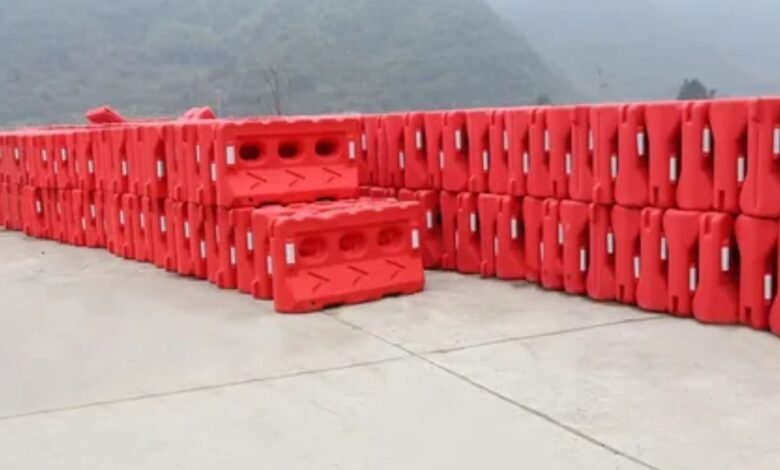
Plastic barriers are sturdy, lightweight tools used to guide people and vehicles in busy spaces. They help shape safe paths, keep areas organised, and reduce the risk of confusion. Their simple design allows quick setup and easy movement when plans change. This makes them a handy choice for teams managing activity on roads and at events.
When traffic gets tight or crowds begin to swell, plastic barriers step in to keep everything steady and controlled. They help workers shape safer routes and they give the public a clear sense of where to go. Just when things feel like they could slip into chaos, here is where the story gets interesting.
Why Plastic Barriers Matter Today
Safety needs have grown quickly across roads, sites, and public events, so teams now look for solutions that work fast and keep people calm. This is where Plastic Barriers step in with simple strength that helps guide movement without slowing things down. They fit almost any layout and give workers steady control when the day gets busy.
Modern projects face shifting risks and rising foot traffic so clear planning is more important than ever. These barriers offer support that feels steady and dependable, even when a space changes from quiet to crowded in a heartbeat. With the right setup, you can prevent trouble before it starts and keep every job running smoothly.
What Plastic Barriers Are and How They Work
Plastic Barriers are sturdy hollow units made from tough moulded material that can be set in place fast for safer routes and work zones. They stay light when empty, so anyone can move them with ease, then gain real strength once filled with water. This simple setup gives teams a steady wall that stands firm in busy spots.
They work by linking together to form a clear line that guides drivers and walkers through tricky areas. Each unit fits neatly with the next so you can shape long paths or tight bends without fuss. With the right layout, they help remove confusion and keep everyone moving in a safe, steady rhythm.
Ways Plastic Barriers Improve Traffic Management
Plastic Barriers guide drivers through tight spots with clear steady direction that reduces stress on the road. They create safe channels that help everyone understand where to go even when signs or markings feel unclear. With simple placement they turn a messy route into a smooth path that keeps traffic flowing.
They also protect road teams who work close to live lanes by forming a solid visible barrier that stands strong once filled with water. This setup builds trust between workers and drivers and lowers the chance of sudden mistakes. With this support, your site stays calm even when the day grows busy.
Better Lane Control
Plastic Barriers shape clean driving lines that help remove last-second swerves or confusion. They guide cars through bends, closures, and narrow passes with steady confidence. This makes every journey smoother for drivers who just want a clear, safe route.
Safer Work Zones
Plastic Barriers create a protective shield that stands firm between fast traffic and active crews. They help teams focus on the job without worrying about stray vehicles drifting too close. This simple layer of safety lifts the whole site and keeps tasks moving forward.
Clearer Diversions
Plastic Barriers mark out fresh routes that feel easy to follow, even when a road changes without warning. They show drivers exactly where to go and prevent panic turns that slow everyone down. With their bright colour, the new path becomes obvious from a long way off.
Improved Flow in Busy Areas
Plastic Barriers help control speed and spacing in locations where traffic tends to bunch up. They guide vehicles through pressure points so that movement stays steady rather than stop-start. This reduces frustration and helps the whole area run with quiet order.
How Plastic Barriers Support Better Crowd Control
Plastic Barriers give event teams a simple way to shape safe walking lines that keep people steady and relaxed. They let you guide groups through gates, paths, and busy patches without slowing the flow. With clear, bright panels, they help everyone see where to move next with no fuss at all.
They also prevent crowds from drifting into risky areas by creating a firm visual boundary that feels natural to follow. This helps stop pressure build-up and keeps each space calm, even when numbers rise fast. With the right layout you can keep visitors happy and your site under control from start to finish.
Key Advantages That Make Plastic Barriers the Smart Choice
Plastic Barriers offer a mix of strength and simplicity that helps teams handle jobs of any size with calm confidence. They stay light when empty, so setup feels quick and easy, then become solid once filled. This balance makes them a trusted choice for sites that change from hour to hour.
They also stand out with bright colour that keeps people aware of risks long before they reach them. Their steady shape guides movement in a way that feels natural for drivers and walkers alike. With the right plan, they help you cut stress, protect teams and keep every space running smoothly.
• Light for fast handling
• Strong once filled with water
• Bright for clear visibility
• Simple to link together
• Safe for public areas
• Ready for short and long projects
Conclusion
A strong setup starts with simple tools and these barriers prove how much safety you can gain with clear, steady planning. They guide people with ease and help every site feel more controlled even on its busiest day. With smart placement, you can keep stress low and confidence high.
They also let teams work without constant worry as each barrier adds a calm sense of order to roads, paths, and public spaces. When used with care, they support smooth movement, protect crews, and keep visitors safe from the first moment to the last. A better flow begins with the right choice.