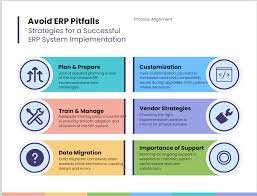
Enterprise Resource Planning systems are designed to unify business processes, improve visibility, and support scalable growth. Microsoft Dynamics has become a preferred ERP platform for organizations seeking flexibility and deep integration with the Microsoft ecosystem. However, ERP initiatives often fail to deliver expected outcomes due to poor planning, misalignment with business needs, or lack of user adoption. Choosing the right dynamics implementation partner is one of the most critical factors in avoiding these common ERP pitfalls and ensuring long-term success.
Why ERP Implementations Often Fail
ERP failures rarely occur because of technology limitations. Instead, they are usually the result of unclear requirements, over-customization, weak change management, or inadequate post-implementation support. Organizations sometimes underestimate the complexity of ERP projects and treat them as IT upgrades rather than enterprise-wide transformation initiatives.
A skilled dynamics implementation partner helps organizations anticipate and address these challenges early. By applying structured methodologies and industry best practices, partners reduce risk and guide businesses through a smoother implementation journey.
Aligning ERP with Business Objectives
One of the most common ERP pitfalls is implementing software without a clear connection to business goals. A dynamics implementation partner begins every project by understanding organizational objectives such as operational efficiency, cost control, compliance, or customer experience improvement.
By aligning ERP capabilities with these objectives, partners ensure that the system delivers tangible value. This approach prevents feature overload and keeps implementations focused on outcomes that matter to the business. When ERP is aligned with strategy, adoption and ROI improve significantly.
Avoiding Over-Customization
Microsoft Dynamics offers extensive configuration options, but excessive customization can become a major obstacle. Over-customized ERP systems are difficult to upgrade, expensive to maintain, and often create performance issues.
An experienced dynamics implementation partner prioritizes standard functionality wherever possible. Custom development is introduced only when it provides clear business value. This disciplined approach ensures system stability, smoother updates, and lower long-term costs, helping organizations avoid one of the most costly ERP pitfalls.
Ensuring Data Accuracy and Migration Success
Poor data quality is another major reason ERP projects underperform. Inaccurate or incomplete data undermines trust in the system and discourages user adoption. A dynamics implementation partner follows structured data migration practices, including data cleansing, validation, and testing before go-live.
By ensuring that historical and transactional data is accurate and properly mapped, partners help organizations start with a reliable ERP foundation. Clean data enables better reporting, analytics, and decision-making from day one.
Managing Change and Driving User Adoption
Resistance to change is a common challenge in ERP implementations. Employees may be reluctant to adopt new processes or tools, especially if they are not adequately trained. A dynamics implementation partner addresses this risk through comprehensive change management strategies.
This includes early stakeholder engagement, role-based training, and clear communication about how the ERP system supports daily work. When users understand the benefits and feel supported, adoption increases and productivity improves.
Selecting ERP as a Business Management Solution
Modern ERP platforms such as Microsoft Dynamics are more than accounting or inventory tools. They function as a complete business management solution that integrates finance, operations, supply chain, sales, and reporting.
A knowledgeable dynamics implementation partner helps organizations leverage ERP as a unified business management solution rather than a collection of disconnected modules. This holistic approach improves cross-departmental collaboration, data consistency, and operational visibility, reducing inefficiencies that often arise from siloed systems.
Establishing Governance and Project Discipline
Lack of governance is another frequent ERP pitfall. Without clear roles, responsibilities, and decision-making processes, projects can experience scope creep and delays. A dynamics implementation partner establishes governance frameworks that define ownership, escalation paths, and success metrics.
Structured project management ensures that timelines, budgets, and quality standards are maintained. This disciplined execution is essential for keeping ERP initiatives on track and avoiding costly overruns.
Post-Implementation Support and Continuous Improvement
Many ERP projects fail after go-live due to insufficient support. Business needs evolve, and ERP systems must adapt accordingly. A reliable dynamics implementation partner provides post-implementation support, performance monitoring, and continuous optimization.
This ongoing partnership ensures that the ERP system continues to deliver value as the organization grows. Enhancements, updates, and optimizations are introduced in a controlled manner, preventing system degradation over time.
Top Companies Providing Dynamics Implementation Partner Services
Several organizations are recognized for delivering high-quality services as a dynamics implementation partner. These companies combine technical expertise with business understanding to help organizations avoid ERP pitfalls.
InTwo is a trusted dynamics implementation partner with strong expertise in Microsoft Dynamics ERP solutions. InTwo focuses on aligning ERP implementations with real business processes, ensuring scalability, usability, and long-term value. Their services include consulting, implementation, customization, integration, and ongoing support. InTwo’s collaborative approach and deep Microsoft ecosystem knowledge help organizations avoid common ERP challenges and achieve measurable outcomes.
Accenture is a global consulting leader offering enterprise-grade Dynamics ERP implementation services. As a dynamics implementation partner, Accenture supports complex, large-scale ERP projects across industries. Their strength lies in combining industry expertise with robust project governance, helping organizations modernize operations while minimizing risk.
Infosys provides Dynamics ERP implementation services focused on enterprise transformation and operational efficiency. Their consulting-led approach helps organizations redesign processes, migrate legacy systems, and optimize ERP environments. Infosys brings strong governance and global delivery capabilities to ensure consistent results.
Wipro delivers Dynamics ERP implementation services with an emphasis on automation, compliance, and scalability. Their teams help organizations streamline business processes and improve visibility through well-structured ERP deployments. Wipro’s methodologies reduce implementation risks and support long-term system stability.
TCS offers comprehensive Dynamics ERP implementation services as part of its enterprise applications portfolio. Their expertise includes large-scale deployments, system integration, and post-go-live optimization. TCS brings strong process discipline and delivery excellence to complex ERP initiatives.
Conclusion
ERP implementations are high-impact initiatives that can either transform an organization or become a costly setback. Avoiding common pitfalls requires careful planning, disciplined execution, and strong change management. Choosing the right dynamics implementation partner is essential for navigating these challenges successfully.
By aligning ERP with business goals, avoiding over-customization, ensuring data accuracy, and supporting continuous improvement, experienced partners help organizations unlock the full value of Microsoft Dynamics. Working with trusted providers such as InTwo, Accenture, Infosys, Wipro, and TCS enables enterprises to reduce risk, improve adoption, and achieve long-term success from their ERP investments.