Third grade is a pivotal year for students as they transition from foundational learning to the development of analytical and creative skills. Engaging lessons not only deepen content knowledge but also ignite curiosity and a love of learning that will follow students throughout their education. Visit this link for additional ideas and inspiration to make your third-grade classroom a vibrant hub of discovery.
By nurturing creativity alongside academic skills, teachers can help children gain confidence, become problem-solvers, and build meaningful relationships with their peers. Through interactive projects and cross-disciplinary lessons, students have opportunities to learn in ways that resonate on a personal level and connect classroom experiences to the real world.
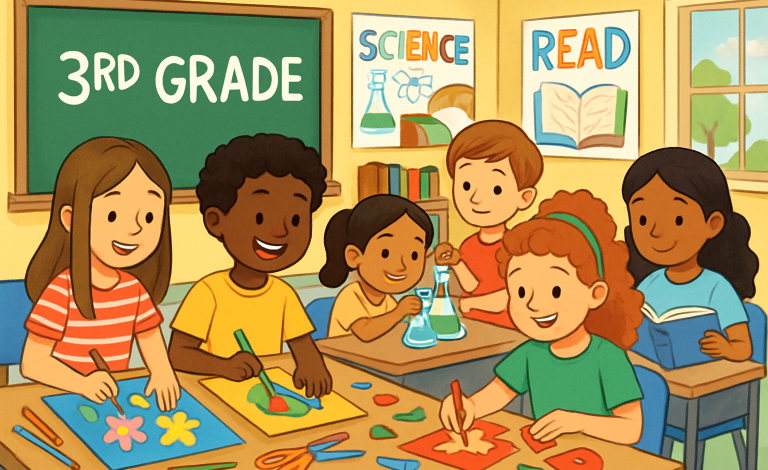
Lessons that promote both individual expression and teamwork encourage all students to find their voices and explore their interests. Whether your class prefers art, science, math, or storytelling, integrating hands-on projects and collaborative tasks can lead to deeper understanding and a more joyful learning environment.
The lesson ideas outlined below are intentionally designed to blend creativity, critical thinking, and skill reinforcement. Incorporating these activities in the classroom helps make every day a new adventure and ensures third graders stay engaged and motivated.
Paper Mâché Animal Sculptures
This creative project blends art and science as students research a favorite animal and then bring it to life using paper mâché techniques. Students begin by investigating their chosen animal’s habitat and diet using books or reputable online resources such as the National Geographic Kids animals section. Once their research is complete, students craft their animals from paper strips and glue. Presentations allow students to share interesting facts and their completed sculptures, building communication and public speaking skills while fostering a sense of creative pride.
Collage Self-Portraits
In this lesson, students express their unique personalities and identities through art. Using magazine clippings, fabric scraps, and decorative paper, every student assembles a self-portrait collage that highlights their interests and cultural background. This exercise encourages self-reflection and a sense of belonging, especially when the finished pieces are displayed together, showcasing diversity and promoting mutual respect among classmates.
Static Electricity Experiments
Introduce young scientists to the basics of physics with engaging static electricity activities. Students rub balloons against wool sweaters or hair, then observe how the balloons attract bits of paper or repel each other. Through discussion, students learn about electrons and the invisible forces of nature, helping make abstract concepts more concrete and memorable. Teachers can expand on this topic using classroom videos or experiments available from the Scientific American educational resources.
Fraction Bingo
Turning math into an interactive game helps students grasp concepts more readily. Fraction Bingo involves solving problems and matching answers to a bingo card, encouraging quick thinking and reinforcing key fraction skills. This game promotes collaborative learning and healthy competition, making math enjoyable for all learners while supporting the achievement of Common Core standards.
Plant Life Cycle Projects
Teaching students about plant growth and biology becomes much more vivid with multisensory activities. Students plant their own seeds, track daily changes, and record observations in growth diaries. Art projects, such as drawing or creating 3D models of life cycle stages, help reinforce knowledge and develop responsibility. Taking care of their plants teaches patience and the importance of caring for living things.
Poetry Scavenger Hunt
This lesson combines literacy development with physical movement. Teachers prepare poems with certain words left blank, then hide the missing words around the classroom or outdoor space. Students work in pairs or teams to search for the missing words and complete the poems. This fun and active approach helps deepen vocabulary retention, appreciation for poetry, and teamwork skills.
Comic Strip Storytelling
Students who struggle with writing often find it easier to organize ideas through visual storytelling. In this lesson, they can recreate classic fairy tales or invent their own narratives in comic strip format. Adding illustrations allows students to express themselves visually and improves writing organization, making the process of story creation more accessible and enjoyable for diverse learners.
Word Family Trees
Understanding root words and their derivatives is foundational for vocabulary building. Creating “word family trees” gives students a visual and memorable anchor for language concepts. By tracking words from a single root and branching into various forms and meanings, students gain insight into word construction and unlock patterns that help them decipher unfamiliar vocabulary in future reading.
Building lessons around creativity and active engagement not only enhances learning but also fosters a positive classroom culture. These project-based approaches give students opportunities to develop essential academic skills, responsibility, and self-confidence, while making third grade a year of joyful discovery and growth. For even more classroom strategies and instructional ideas, explore trusted resources from Edutopia’s student engagement section.