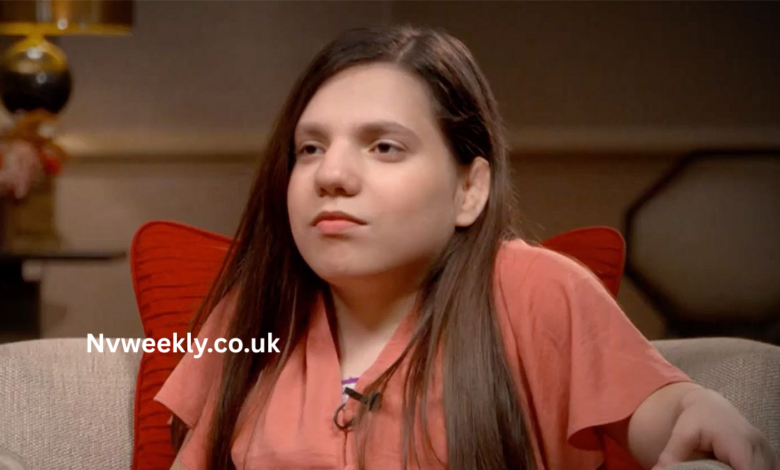
Natalia Grace has become one of the most talked-about figures in recent years due to the extraordinary and often disturbing details surrounding her life. Her story blends elements of mystery, alleged criminal activity, and psychological intrigue, which has captured public attention through news stories, documentaries, and social media debates. But who is Natalia Grace, and what makes her story so controversial? This article dives deep into her life, exploring the key events, controversies, and public fascination surrounding her.
Early Life and Origins
Natalia Grace was born in Ukraine in 2003, and her early life was marked by challenges that are still subject to speculation. Reports suggest that she was adopted as a child and brought to the United States, where she became the center of one of the most unusual adoption cases in modern history. While details of her early childhood remain murky, it is widely reported that she was small for her age, which later became a significant factor in the controversies surrounding her.
Her Ukrainian roots have also added a layer of intrigue to her story. Growing up in Ukraine, Natalia’s family background remains largely undisclosed, which has fueled speculation about her early years. Some media outlets have suggested that her medical records from Ukraine hinted at developmental issues, though these claims are contested by others who knew her after she arrived in the United States.
The transition to life in America was reportedly challenging. As an adopted child, Natalia faced difficulties adjusting to a new culture and environment. These early challenges, coupled with her small stature and unusual behavior, made her stand out in ways that would later play a central role in public perception and legal disputes.
By the time she entered her teenage years, Natalia was living in Indiana with her adoptive parents, Kristine and Michael Barnett. This period of her life would later become the focal point of media attention, raising questions about her behavior, her mental state, and the controversial decisions made by those responsible for her care.
Adoption by the Barnetts
Natalia Grace’s adoption by Kristine and Michael Barnett in Indiana became one of the most widely publicized aspects of her life. The Barnetts, a couple with a background in child care and faith-based communities, initially seemed eager to provide a loving home for Natalia. However, the adoption quickly turned into a legal and social controversy due to the couple’s claims about Natalia’s age and behavior.
The Barnetts alleged that Natalia was not a child but an adult posing as a young girl. They claimed that she exhibited alarming and aggressive behavior and suggested that she was significantly older than her official documents indicated. According to the Barnetts, these revelations made it increasingly difficult for them to care for her, leading to legal battles and sensationalized media coverage.
The adoption saga became more complex due to Natalia’s small stature, which contributed to the confusion about her age. Doctors and specialists who examined her offered conflicting opinions, with some supporting the Barnetts’ claims while others defended Natalia’s documented age. This ambiguity created a legal gray area that fueled public curiosity and media scrutiny.
Despite the controversy, the Barnetts’ treatment of Natalia raised ethical and moral questions. Allegations surfaced that Natalia was subjected to neglect and isolation, including being locked in a small space for extended periods. These claims ignited debates about the responsibilities of adoptive parents and the ethics of age verification in international adoptions.
Legal Battles and Court Cases
Natalia Grace’s life has been deeply intertwined with the U.S. legal system, largely due to the disputes with her adoptive parents. The Barnetts faced criminal charges for neglect, which were directly related to the claims that Natalia was an adult pretending to be a child. This case became one of the most unusual and widely discussed legal stories in recent years, attracting attention from both journalists and the public.
The court proceedings revealed disturbing allegations, including claims that Natalia was confined in a small bedroom for long periods and that her care was neglected. Witnesses and experts provided testimony regarding Natalia’s age, health, and mental state, but opinions varied widely, contributing to the complexity of the case. These legal disputes blurred the lines between criminal law, child protection, and questions of personal responsibility.
The Barnetts’ defense largely centered on their belief that Natalia’s age was falsified and that they were justified in their actions due to safety concerns. Meanwhile, advocates for Natalia emphasized her vulnerability as a child and criticized the Barnetts’ treatment as abusive. The legal system had to navigate these conflicting narratives, creating an unprecedented scenario in adoption law.
The outcomes of these cases have had lasting repercussions for all parties involved. While some charges were dropped or reduced, the controversy surrounding Natalia’s status, age, and behavior continues to provoke debate. The case also highlighted potential gaps in the adoption and child welfare systems, particularly in verifying international adoption records.
Media Attention and Public Fascination
Natalia Grace’s story gained widespread media attention, largely due to the bizarre and sensational nature of the claims surrounding her age and behavior. Documentaries, news articles, and viral videos have explored the case from various angles, often emphasizing the mysterious aspects of her life.
One key factor in the public fascination is the ambiguity surrounding Natalia’s age. Conflicting medical reports and the Barnetts’ allegations created a narrative that seemed almost surreal, blurring the line between reality and urban legend. Social media further amplified these discussions, with debates ranging from serious legal analysis to speculative conspiracy theories.
Additionally, Natalia’s demeanor and reported behavior contributed to the media’s portrayal of her as enigmatic and unpredictable. Accounts of her actions, both before and after her disputes with the Barnetts, have been scrutinized to assess whether they indicate maturity beyond her years or psychological challenges stemming from trauma.
The intense media coverage has had both positive and negative consequences. On one hand, it brought attention to the complexities of adoption and child welfare. On the other, it sensationalized Natalia’s personal struggles, turning her life into a public spectacle. Despite the media frenzy, Natalia herself has largely remained out of the public eye, further fueling speculation and intrigue.
Life After the Barnetts
After the legal disputes with her adoptive parents, Natalia Grace began a new chapter in her life, attempting to navigate a world that had often misunderstood her. She has reportedly pursued independence, seeking stability and opportunities that allow her to live away from the controversies of her teenage years.
Her life after the Barnetts has been relatively private, though some reports suggest that she has engaged with legal and social services to secure her well-being. This period of her life underscores the challenges faced by individuals who are at the center of high-profile legal and media attention, particularly those with complex personal histories.
Natalia’s post-adoption life also highlights the resilience and adaptability required to move forward after traumatic experiences. While the Barnett case dominates public discourse, her ongoing efforts to establish a normal life serve as a reminder that there is more to her story than sensational headlines.
The ambiguity that surrounds Natalia’s age and behavior continues to be a topic of debate, but her ability to survive and adapt in challenging circumstances demonstrates a level of strength and determination that is often overlooked in sensationalized accounts.
Psychological and Sociological Implications
Natalia Grace’s case has sparked broader discussions about human psychology, developmental disorders, and the ethics of international adoption. Experts have debated whether her reported behavior could be explained by psychological conditions, trauma, or other underlying factors, emphasizing the complexity of diagnosing and supporting individuals in similar circumstances.
Sociologists have also examined the societal reactions to Natalia’s story, noting how narratives of deception, age ambiguity, and familial conflict resonate with public fears and curiosities. The case raises important questions about trust, identity, and the social constructs of age and maturity.
Moreover, Natalia’s experiences highlight the vulnerabilities of adopted children, particularly those who come from different cultural and national backgrounds. The intersection of adoption, legal scrutiny, and media sensationalism creates a high-stakes environment that can exacerbate challenges rather than resolve them.
Finally, the ethical questions surrounding Natalia’s case continue to provoke debate. How should adoptive parents respond to perceived behavioral issues? What responsibilities do social services and legal systems have in verifying adoption claims? These discussions remain relevant not only for Natalia but for the broader adoption and child welfare community.
Conclusion: The Enigma of Natalia Grace
Natalia Grace remains one of the most intriguing and controversial figures in modern adoption history. Her life story is a blend of mystery, legal complexity, and human resilience that continues to fascinate and perplex the public. While media portrayals often emphasize the sensational aspects of her life, a closer examination reveals a deeply human story marked by challenges, adaptation, and survival.