Tweeter Explained The Complete Expert Guide to High-Frequency Sound and Audio Clarity

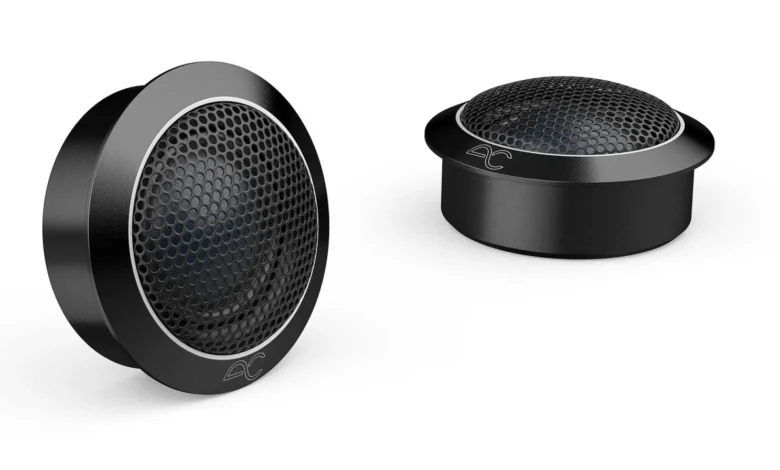
Introduction to tweeter
If you’ve ever listened to music and felt like something was missing—maybe the vocals sounded dull, cymbals lacked sparkle, or the soundstage felt flat—there’s a good chance the tweeter was either underperforming or misunderstood. A tweter is a specialized loudspeaker driver designed to reproduce high-frequency sounds, typically ranging from about 2,000 Hz up to 20,000 Hz or more. These frequencies are where clarity, detail, and realism live.
Despite its small size, the tweter plays a massive role in how we perceive audio quality. Human ears are extremely sensitive to high frequencies, especially when it comes to speech intelligibility and musical detail. That shimmering hi-hat, the breathiness in a vocal track, and the spatial cues that make audio feel “live” are all largely handled by the tweter.
In this article, we’ll break down everything you need to know about tweters—from how they work and the different types available, to how they affect sound quality in home audio, car systems, and professional setups. Whether you’re an audiophile, a casual listener, or someone building a sound system from scratch, this guide will give you expert-level understanding without the confusing jargon.
Understanding How a Tweeter Works
At its core, a tweeter operates on the same basic principles as any other speaker driver, but it’s optimized for speed rather than power. High-frequency sounds require rapid movement, and tweters are built to respond quickly and accurately to those demands.
A typical tweter consists of a diaphragm, a voice coil, and a magnet. When an electrical signal passes through the voice coil, it interacts with the magnetic field, causing the diaphragm to vibrate. These vibrations push air, creating sound waves that we hear as high-frequency audio. The key difference is that tweter diaphragms are much lighter and smaller than those used in midrange drivers or woofers.
Because teeters are so sensitive, they usually work alongside crossovers—electronic filters that ensure only high-frequency signals reach the tweter. This prevents damage and distortion, while allowing each speaker component to focus on what it does best. When properly implemented, a tweter adds precision and brilliance without ever sounding harsh or fatiguing.
Why Tweeters Are Essential for Sound Quality
Many people underestimate the importance of tweeters, assuming bass and volume are the most critical aspects of audio. In reality, high frequencies are what define perceived quality. Without a good teeter, music can feel lifeless, muddy, or overly compressed.
High frequencies are responsible for detail retrieval. This means the subtle sounds that separate a good recording from a great one—string plucks, room reverberation, vocal texture—are all delivered by the tweeer. When these details are missing, the brain perceives the audio as low quality, even if the bass is powerful and the mids are loud.
Tweeters also play a significant role in imaging and soundstage. Properly designed and positioned tweeters help create a sense of space, allowing listeners to pinpoint where instruments and vocals are coming from. This is especially important in stereo and surround sound systems, where realism depends heavily on accurate high-frequency reproduction.
Different Types of Tweeters Explained
Not all tweeters are created equal. Over the years, engineers have developed multiple tweter designs, each with its own strengths and sonic characteristics. Understanding these types can help you choose the right one for your needs.
Dome Tweeters
Dome tweeters are the most common type found in home and car audio systems. They use a dome-shaped diaphragm, usually made from soft materials like silk or hard materials like aluminum. Soft dome tweters tend to produce warmer, smoother highs, while hard dome tweters offer more detail and brightness.
These tweters are popular because they provide a balanced sound that works well across many genres. They’re also relatively affordable and durable, making them a go-to choice for mainstream audio systems.
Cone Tweeters
Cone tweeters resemble miniature woofers and are often found in budget speaker systems. While they can reproduce high frequencies, they generally lack the precision and clarity of dome or ribbon tweters.
That said, cone tweters have improved significantly over time. In well-designed systems, they can still offer respectable performance, especially for casual listening or background music setups.
Ribbon Tweeters
Ribbon tweters are prized by audiophiles for their exceptional detail and speed. Instead of a traditional diaphragm and voice coil, they use a thin metal ribbon suspended in a magnetic field. This design allows for incredibly fast response times.
The result is ultra-clear, airy highs that sound incredibly natural. However, ribbon tweters are more delicate and expensive, making them better suited for high-end home audio systems rather than rugged environments like cars.
Planar Magnetic Tweeters
Planar magnetic weeters are similar to ribbon tweters but use a flat diaphragm with conductive traces. They combine the speed of ribbons with improved durability and power handling.
These tweeters are often found in premium speakers and studio monitors. They deliver precise, controlled highs and are favored by professionals who need accurate sound reproduction.
Tweeters in Home Audio Systems
In home audio setups, tweters are critical for creating an immersive listening experience. Whether you’re using bookshelf speakers, floor-standing towers, or a surround sound system, the quality of the teeter can make or break the sound.
Home tweeers are usually designed for smooth, extended listening sessions. This means they’re tuned to avoid harshness, even at higher volumes. Placement is also crucial—teeters should generally be at ear level when seated, ensuring optimal clarity and imaging.
High-end home speakers often feature advanced tweetr designs with waveguides or horns. These elements help control sound dispersion, ensuring consistent performance across the listening area. When done right, this results in a soundstage that feels wide, deep, and incredibly realistic.
Tweeters in Car Audio Systems
Car audio presents unique challenges due to limited space and complex acoustics. Tweters in vehicles must be compact, durable, and capable of overcoming road noise.
Most car tweeers are mounted in dashboards, A-pillars, or door panels. Their placement significantly affects how the sound is perceived, especially since listeners are usually off-center. Adjustable or angled tweters are often used to improve imaging and balance.
Upgrading factory tweeters is one of the easiest ways to improve car audio quality. Even modest aftermarket tweeters can dramatically enhance clarity and detail, making music sound more dynamic and engaging while driving.
Tweeters in Professional and Studio Environments
In studios and professional sound systems, tweeters are designed for accuracy above all else. The goal isn’t to make music sound “exciting,” but to reproduce it exactly as it was recorded.
Studio monitor tweeters are often paired with precise crossovers and carefully matched midrange drivers. This ensures a flat frequency response, allowing engineers to make informed decisions during mixing and mastering.
In live sound applications, tweters may be integrated into horn-loaded designs for increased efficiency and projection. These systems need to deliver clear highs across large venues without distortion, even at high volumes.
How Tweeter Materials Affect Sound
The material used in a teeter’s diaphragm plays a major role in its sonic character. Soft materials like silk or textile tend to absorb resonances, resulting in smoother, more forgiving sound.
Hard materials such as aluminum, titanium, or beryllium offer greater rigidity, which can improve detail and transient response. However, they can also sound brighter or more aggressive if not properly tuned.
There’s no universally “best” material—only what works best for your listening preferences. Some listeners prefer the warmth of soft domes, while others crave the analytical precision of metal or ribbon designs.
Tweeter Placement and Its Impact on Performance
Even the best tweeter won’t perform well if it’s poorly placed. Directionality becomes more pronounced at higher frequencies, meaning tweeters should be aimed carefully.
In home setups, slight toe-in adjustments can dramatically change the soundstage. In cars, repositioning tweeters closer to ear level can improve balance and clarity. Small changes in angle or height often yield noticeable improvements.
Proper placement reduces reflections and phase issues, allowing the tweeter to integrate seamlessly with other drivers. When everything aligns, the sound feels cohesive rather than fragmented.
Common Tweeter Problems and How to Avoid Them
One of the most common issues with tweters is distortion caused by improper crossover settings. Sending low frequencies to a tweete can quickly damage it or cause harsh sound.
Another issue is listener fatigue. Overly bright or poorly matched tweters can make long listening sessions uncomfortable. This is often the result of mismatched components rather than a flaw in the weeter itself.
Choosing quality components, using proper crossovers, and taking time to tune your system can prevent most tweter-related problems.
How to Choose the Right Tweeter for Your Needs
Selecting the right tweeter depends on your listening environment, budget, and personal preferences. Casual listeners may be perfectly happy with well-designed dome tweters, while enthusiasts might gravitate toward ribbon or planar magnetic options.
Consider the system as a whole. A teeter should complement your midrange and woofer, not overpower them. Balance and integration are far more important than chasing specs or exotic materials.
Listening tests, reviews, and proper setup matter more than brand names. A thoughtfully chosen tweetr can elevate an entire system, even without expensive upgrades elsewhere.
The Future of Tweeter Technology
Tweeter design continues to evolve as materials science and digital signal processing advance. Modern tweeters are more efficient, durable, and accurate than ever before.
Innovations like advanced waveguides, hybrid materials, and AI-assisted tuning are pushing boundaries. These developments aim to deliver high-frequency sound that’s both detailed and natural, without the drawbacks of older designs.
As audio technology progresses, tweters will remain a critical component—quietly shaping how we experience music, movies, and sound in everyday life.
Conclusion:
Tweeters may be small, but their impact on audio quality is enormous. They bring clarity, detail, and realism to sound, transforming ordinary listening into something immersive and emotional.
Understanding how tweeters work and how to choose the right one empowers you to make smarter audio decisions. Whether you’re upgrading a car system, building a home setup, or simply learning more about sound, appreciating the role of the tweeter is a game-changer.
In the end, great audio isn’t just about loudness or bass—it’s about balance. And at the top of that balance sits the tweeter, quietly doing the work that makes sound feel alive.