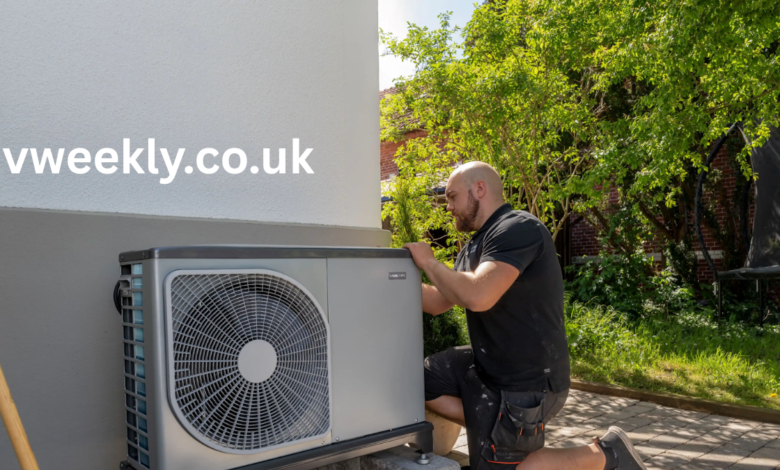
Thinking about installing a heat pump? One of the first questions most people ask is: “How loud will it be?” It’s a fair concern. Nobody wants a noisy machine humming away outside their bedroom window or annoying the neighbours.
Here’s the good news. Air source heat pumps are surprisingly quiet. Most run at 40 to 60 decibels during normal use. What does that sound like? Think of a quiet conversation in your living room.
Or your refrigerator is humming in the kitchen. Or light rain tapping on your windows. That’s about it. And if you’re considering switching to one through air source heat pump grants, the noise level is usually far lower than people expect.
What Makes Heat Pumps Noisy?
Let’s break down where the sound actually comes from. Your heat pump has two main parts that create noise: the fan and the compressor.
The fan pulls air through the system. The compressor pressurises the refrigerant to extract heat from outside air. Both need to move to work. And movement creates sound. Simple as that.
Modern models are much quieter than older versions, though. Manufacturers have spent years refining the design. Ground source heat pumps are even quieter at 35 to 42 decibels. But air source systems remain the popular choice for most homes despite being slightly louder.
Do Heat Pumps Meet Noise Rules?
Yes, they do. And there are strict rules to follow. UK building regulations say heat pumps can’t exceed 42 decibels when measured one meter from a neighbour’s window or door. Recent MCS standards have lowered this even further to 37 decibels for new installations. That shows how seriously the industry takes noise concerns.
Most properly installed systems meet these standards easily. In fact, if your heat pump meets the noise rules, you can often install it under permitted development rights. That means no planning permission needed.
What Affects How Loud Your Heat Pump Sounds?
Several factors determine how much noise you’ll actually hear. Some you can control. Others depend on the weather.
Cold Weather Makes Things Louder
Ever noticed your heating works harder in winter? Heat pumps do too. When temperatures drop near freezing, your system has to work harder to extract heat from cold air. The compressor runs faster. The fan speeds up. And yes, it gets louder.
You might also hear a hissing or whooshing sound during defrost cycles. This happens when the system removes ice buildup. It’s temporary and completely normal.
The good news? Winter is when your windows stay closed. So you won’t hear as much noise indoors anyway.
Where You Put It Matters
Location is everything. Install your unit away from bedrooms and living areas, and you’ll barely notice it. Place it on a solid concrete pad with vibration-absorbing materials, and you’ll reduce noise even more.
Watch out for reflective surfaces though. Walls, fences, and hard surfaces can bounce sound around. If your heat pump has more than three reflective surfaces near it, the noise can amplify. A good installer will spot this during site assessment.
Size and How Hard It Works
Bigger units make more noise at full power. But here’s the thing: a properly sized system runs more efficiently. It might actually run less often, which means less total noise over time.
Inverter-driven heat pumps are especially smart. They adjust their speed based on demand. Need less heat? They run slower and quieter. It’s like the difference between your car cruising on the motorway versus accelerating uphill.
How Can You Reduce Noise Even More?
Most people won’t need extra noise reduction. But if you do have concerns, you have options.
Get a Professional Installation
This is the big one. MCS-certified installers do noise assessments before they start. They check distances from boundaries. They look for reflective surfaces. They plan for acoustic barriers if needed.
They also use anti-vibration mounts and proper foundations. These small details make a huge difference in how much noise you hear.
Keep Up With Maintenance
A well-maintained heat pump is a quiet heat pump. Clean the outdoor unit regularly. Check for loose parts. Make sure moving parts are properly lubricated.
Clogged filters force your system to work harder. Worn components create extra vibration. Both make noise worse over time. Simple maintenance prevents these issues.
Add Extra Sound Control If Needed
Sound enclosures can cut noise by 15 to 18 decibels without affecting performance. Acoustic barriers or clever landscaping can deflect sound away from windows and gardens.
Anti-vibration pads under the unit stop noise from traveling through the ground. Sound blankets around the compressor dampen mechanical noise. These additions usually aren’t necessary, but they’re available if you want them.
What Do Neighbours Actually Think?
Here’s something reassuring: heat pump noise complaints are actually quite rare. When complaints do happen, they’re usually due to poor installation or units placed too close to boundaries.
Most neighbours describe the sound as a subtle background hum. Like a refrigerator running. Or a gentle breeze through trees. Because the unit sits outside, indoor noise is minimal compared to a gas boiler firing up inside your home.
How Do Heat Pumps Compare to Boilers?
Air source heat pumps run at similar or even lower noise levels than gas boilers. Both typically produce 40 to 60 decibels.
But there’s a key difference. Boilers make sudden noise when they start up. Heat pumps maintain steady, predictable sound levels. That consistent hum often feels less intrusive than intermittent banging and whooshing from traditional heating.
Many modern heat pumps carry Quiet Mark certification. This third-party testing identifies the quietest models in each category. It’s a good sign of quality acoustic design.
The Bottom Line
Heat pumps have come a long way. Early models were genuinely noisy. Today’s systems prioritise quiet operation alongside energy efficiency.
For most installations, noise levels stay well within acceptable limits. Both for you and your neighbours. Proper installation matters more than any other factor. Get that right, and noise concerns become a non-issue.
So are heat pumps noisy in daily use? Not really. They’re about as loud as everyday appliances you already live with. And for the comfort and efficiency they provide, that subtle hum is a small price to pay.
If you’re comparing models or planning an installation, looking into the best air source heat pump options can help you choose a system designed for quieter, smoother performance.